How to Treat Skin Rashes and Eczema with MGO Mānuka Honey
Sara Samavati and Dr Isaac Flitta explain how MGO 800+ mānuka honey and bee propolis treat stress rashes, eczema, and skin barrier damage with clinical evidence.

Updated April 2026 | First published December 2025 | Category: Skincare / Wellbeing
Persistent skin rashes are exhausting in a way that is difficult to explain to someone who has not experienced them. Not just physically, but psychologically: the constant awareness of irritated skin, the failed products, the cycle of improvement and relapse. If you have had a stress rash, an eczema flare-up, or a summer irritation that simply refuses to resolve, this article is for you.
We are going to explain what is actually happening in your skin when it reacts this way, why conventional approaches often make the problem worse before they make it better, and what the peer-reviewed evidence shows about MGO Mānuka honey and New Zealand bee propolis as active therapeutic ingredients for inflammatory skin conditions.
This is not a product pitch. It is an explanation of mechanisms, supported by clinical research and illustrated by real customer outcomes.
What Is Actually Happening When Your Skin Reacts
Skin rashes, whether triggered by stress, heat, environmental allergens, or compromised immunity, share a common underlying mechanism: a disrupted skin barrier combined with an inflammatory response that the body cannot efficiently resolve on its own.
The skin barrier is a stratified structure whose outermost layer, the stratum corneum, acts as both a physical shield and a regulated membrane. When this layer is compromised, whether by mechanical damage, chemical exposure, dry air, stress hormones, or microbial imbalance, two things happen simultaneously. First, water escapes through the disrupted surface (transepidermal water loss), drying the skin from the inside. Second, irritants and bacteria gain access to deeper skin layers, triggering an inflammatory cascade [1].
Eczema (atopic dermatitis) follows the same pattern but with the additional complication of immune dysregulation: the skin mounts an exaggerated inflammatory response to triggers that a non-atopic person would tolerate without symptoms. The itch-scratch cycle then causes further mechanical damage to the barrier, perpetuating the condition [2].
Conventional treatments, particularly topical corticosteroids, suppress inflammation effectively in the short term but do not address the underlying barrier dysfunction. Prolonged use thins the skin and can impair the barrier further. The search for agents that both reduce inflammation and actively repair barrier structure is where MGO Mānuka honey and bee propolis become genuinely relevant.
How MGO Mānuka Honey Works on Reactive Skin
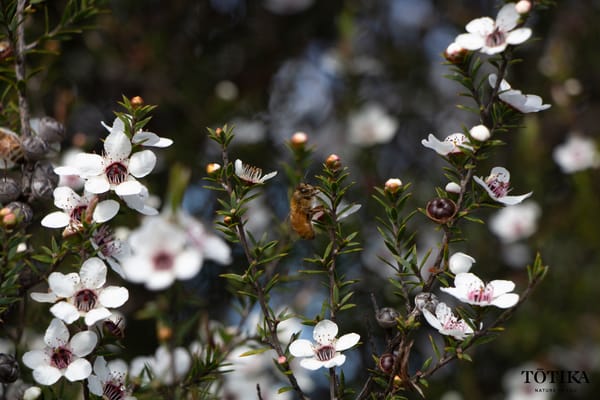
Mānuka honey from New Zealand’s Leptospermum scoparium plant has a well-documented profile of bioactive properties that are directly relevant to inflammatory skin conditions. The primary active compound, methylglyoxal (MGO), distinguishes it from conventional honey through four distinct mechanisms of action.
1. Antimicrobial Activity Against Skin Pathogens
MGO 800+ provides measurable antibacterial activity against Staphylococcus aureus, the bacterium most commonly associated with secondary skin infections in eczema and compromised skin barriers. In atopic dermatitis, S. aureus colonisation is strongly linked to flare severity: the bacterium releases toxins that act as superantigens, amplifying the inflammatory response [3]. By inhibiting bacterial growth without the resistance concerns associated with topical antibiotics, high-grade Mānuka honey addresses a root trigger of many persistent skin conditions.
A 2020 systematic review published in Antibiotics confirmed the clinical significance of Mānuka honey against antibiotic-resistant organisms, including methicillin-resistant S. aureus (MRSA), concluding that the evidence supports its use in clinical skin infection management [4].
2. Anti-inflammatory Action
High-grade Mānuka honey has been shown to inhibit the production of pro-inflammatory cytokines including TNF-alpha and interleukins associated with chronic skin inflammation. A clinical study published in Immunity, Inflammation and Disease applied Mānuka honey to atopic dermatitis lesions in 14 adult patients for seven consecutive nights. Participants saw a statistically significant two-point improvement in Three Item Severity (TIS) scores on the treated side, compared to no significant improvement on the untreated control side. The researchers also observed down-regulation of CCL26 (a chemokine elevated in atopic dermatitis) and reduced mast cell degranulation in honey-treated tissue [5].
This is not a marginal effect. A two-point TIS improvement in seven days, in a controlled clinical setting, is meaningful data.
3. Barrier Repair and Moisture Retention
As a natural humectant, Mānuka honey draws and retains moisture in the epidermis, directly counteracting transepidermal water loss. Its low water activity and high osmolarity create a moist wound environment that supports tissue regeneration and autolytic debridement without the occlusive heaviness of petroleum-based products [6].
4. Low pH Environment
Mānuka honey maintains a pH of approximately 3.2 to 4.5. This acidic environment inhibits bacterial growth, promotes enzyme activity involved in tissue repair, and is consistent with the naturally acidic pH of healthy intact skin (approximately 4.5 to 5.5). A compromised skin barrier typically shows elevated pH, and restoring an acidic surface microenvironment supports barrier function recovery [7].
How New Zealand Bee Propolis Complements the Honey
Bee propolis is a resinous compound collected by Apis mellifera honey bees from tree buds and bark, mixed with beeswax and bee enzymes. New Zealand propolis has a distinct flavonoid and polyphenol profile that gives it a well-documented antioxidant and anti-inflammatory action [8].
Antioxidant Protection
Oxidative stress is a central driver of chronic skin inflammation. Free radicals generated by UV exposure, pollution, and the inflammatory cascade itself damage skin cell membranes and accelerate barrier deterioration. Propolis flavonoids neutralise free radicals before they can amplify the inflammatory cycle. A 2022 review published in Molecules confirmed the anti-inflammatory activity of propolis across multiple biochemical pathways, including inhibition of cyclooxygenase (COX) enzymes and nuclear factor kappa-B (NF-kB) signalling: the same pathways targeted by pharmaceutical anti-inflammatory agents [9].
Barrier Support and Cellular Regeneration
Propolis supports skin barrier function by promoting keratinocyte migration and proliferation, the process by which the skin surface renews itself. A 2022 systematic review and meta-analysis published in Archives of Dermatological Research analysed the evidence for propolis in skin wound healing across multiple clinical and in vitro studies, concluding that propolis demonstrates significant wound-healing efficacy through both antimicrobial and regenerative mechanisms [10].
The Combination Effect
When MGO Mānuka honey and New Zealand bee propolis are combined in a single formulation, the therapeutic profile becomes more comprehensive than either ingredient alone. The honey addresses the bacterial trigger and moisture deficit; the propolis provides antioxidant defence and structural repair support. Together, they act on the inflammatory cascade at multiple points simultaneously, which is precisely why this combination is the foundation of the Tōtika bioactive skincare range.
What the Evidence Looks Like in Practice: Real Customer Outcomes
Clinical research establishes biological plausibility. Real-world outcomes demonstrate whether that plausibility translates into skin you can see and feel. The following cases are from verified Tōtika Health customers.
Stress Rash: Resolved in Under One Week
A customer presented with a persistent stress and summer rash on her knee that had not responded to conventional treatments over two months. After one week of applying the Tōtika Magic Serum, she photographed the results and shared them:
The photographic evidence showed a visible transformation from active inflammation and persistent irritation to a healed, calm skin surface in less than seven days. This outcome is consistent with the clinical evidence: Mānuka honey’s antimicrobial action addressing any bacterial component, combined with propolis’s anti-inflammatory effect, resolving the inflammatory cycle rapidly.
Eczema and Chronic Skin Sensitivity
The use of the Eye Cream off-label on eczema flare-ups reflects a pattern we see consistently: the MGO Mānuka honey and propolis combination works on the underlying inflammatory mechanism regardless of where on the body it is applied. The additional observation of improving sun damage is consistent with propolis’s antioxidant action on photodamage at the cellular level.
Sun Damage and Dry Skin
How to Use MGO Mānuka Honey Skincare for Skin Rashes and Eczema
A few practical points based on both the clinical evidence and consistent customer feedback.
- Apply to clean, slightly damp skin. The humectant properties of Mānuka honey work more effectively when there is some surface moisture to draw into the epidermis. Pat skin dry rather than rubbing it, and apply the serum or cream while skin is still slightly damp.
- Use consistently for at least seven days before assessing results. The clinical evidence shows meaningful improvement in seven days of consistent use. Sporadic application will not achieve the same outcome.
- Do not combine with harsh chemical exfoliants during a flare-up. AHAs and BHAs are appropriate for maintenance but will exacerbate an active inflammatory episode. Allow the barrier to stabilise first.
- For active eczema flare-ups, apply a thin layer directly to the affected area. There is no need for a thick application: the bioactive compounds are effective in small quantities.
- For chronic eczema-prone skin, use as a daily morning routine step. The antimicrobial action of MGO 800+ helps maintain a skin surface environment that is less hospitable to the S. aureus colonisation that drives many eczema flares.
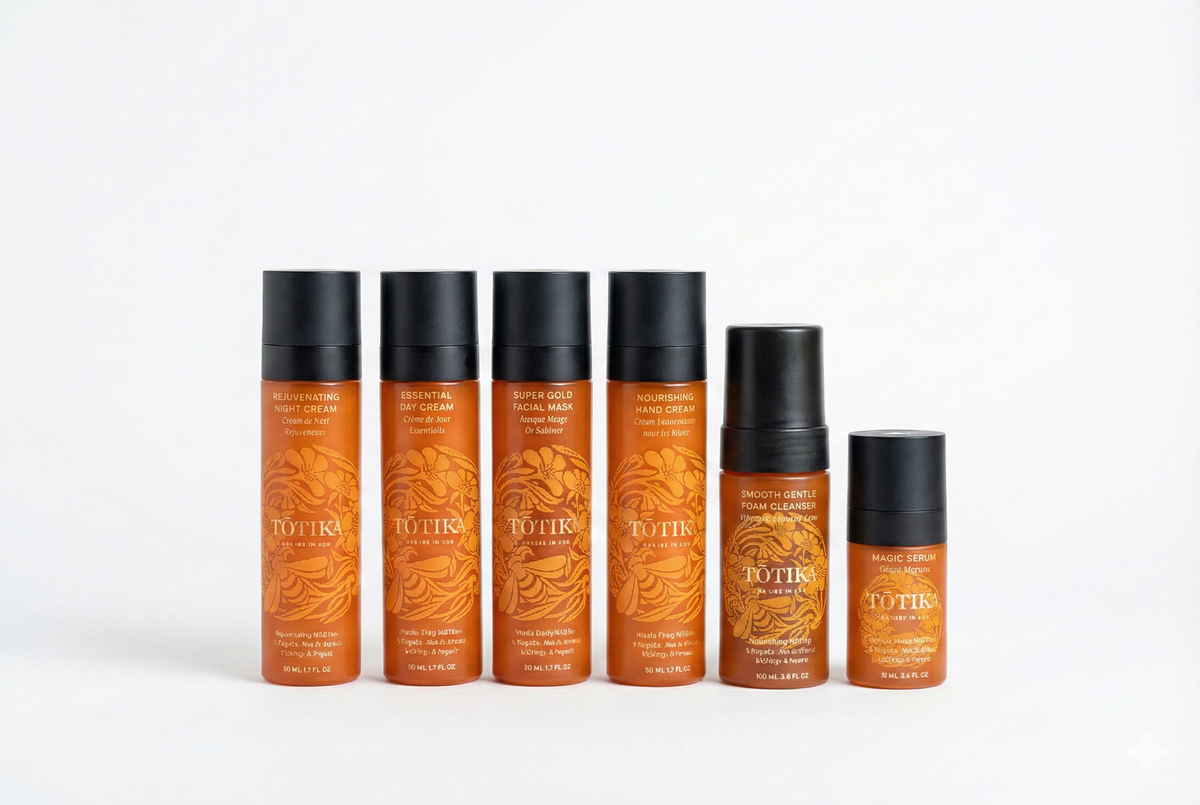
Tōtika Health Bioactive Skincare Range
Formulated with MGO 823+ certified Mānuka honey and New Zealand bee propolis. Pharmacist validated. Bay of Islands sourced.
View the Skincare RangeFrequently Asked Questions
Is Mānuka honey safe to use directly on eczema skin?
Yes, when properly formulated. Raw honey applied directly to skin can be sticky and uncomfortable, and the osmotic effect can be excessive on severely broken skin. A formulated product that incorporates MGO Mānuka honey at the correct concentration alongside supporting ingredients delivers the therapeutic benefit without the application issues. If you have a known allergy to bee products, consult a healthcare professional before use.
How does MGO Mānuka honey differ from regular honey in skincare?
The difference is the non-peroxide antibacterial activity from methylglyoxal. Conventional honey has antibacterial properties from hydrogen peroxide, which is unstable and degrades rapidly on skin. MGO is chemically stable and maintains its activity at the skin surface. This is the mechanism that makes high-grade Mānuka honey therapeutically distinct, not just a cosmetic ingredient.
Can I use Mānuka honey skincare alongside prescribed eczema treatments?
The bioactive skincare range is designed as a complementary skincare protocol, not as a replacement for prescribed medical treatment. If you are under the care of a dermatologist or GP for eczema, discuss any new skincare additions with them. The ingredients in the Tōtika range have no known interactions with topical corticosteroids or topical calcineurin inhibitors.
Why is New Zealand bee propolis specifically used?
New Zealand propolis, produced by Apis mellifera bees foraging on native flora including mānuka and kānuka, has a distinct flavonoid profile compared to propolis from other geographic origins. The specific botanical environment determines the polyphenol composition, which determines the antioxidant and anti-inflammatory activity. Tōtika Health uses New Zealand propolis precisely because its composition is consistent with the therapeutic profile described in the research cited in this article.
How long before I see results?
The clinical evidence for Mānuka honey on atopic dermatitis shows statistically significant improvement in TIS scores after seven consecutive days of application. Customer outcomes with the Tōtika range are consistent with this timeline, with some individuals seeing visible improvement in three to five days. Chronic eczema-prone skin typically requires consistent daily use over several weeks for sustained improvement.
References
Peer-reviewed research
- Rajkumar J, Chandan N, Lio P, Shi V. The Skin Barrier and Moisturization: Function, Disruption, and Mechanisms of Repair. Skin Pharmacol Physiol. 2023;36(4):174-185. https://doi.org/10.1159/000534136
- Weidinger S, Beck LA, Bieber T, Kabashima K, Irvine AD. Atopic dermatitis. Nature Reviews Disease Primers. 2018;4(1):1. https://doi.org/10.1038/s41572-018-0001-z
- Johnston M, McBride M, Dahiya D, Owusu-Apenten R, Nigam PS. Antibacterial activity of Manuka honey and its components: An overview. AIMS Microbiology. 2018;4(4):655-664. https://doi.org/10.3934/microbiol.2018.4.655
- Nolan VC, Harrison J, Wright JEE, Cox JAG. Clinical Significance of Manuka and Medical-Grade Honey for Antibiotic-Resistant Infections: A Systematic Review. Antibiotics. 2020;9(11):766. https://doi.org/10.3390/antibiotics9110766
- Alangari AA, Morris K, Lwaleed BA, et al. Honey is potentially effective in the treatment of atopic dermatitis: Clinical and mechanistic studies. Immunity, Inflammation and Disease. 2017;5(2):190-199. https://doi.org/10.1002/iid3.153
- Molan PC, Rhodes T. Honey: A biologic wound dressing. Wounds. 2015;27(6):141-151.
- Lambers H, Piessens S, Bloem A, Pronk H, Finkel P. Natural skin surface pH is on average below 5, which is beneficial for its resident flora. International Journal of Cosmetic Science. 2006;28(5):359-370. https://doi.org/10.1111/j.1467-2494.2006.00344.x
- Bankova V, Popova M, Trusheva B. New emerging fields of application of propolis. Macedonian Journal of Chemistry and Chemical Engineering. 2016;35(1):1-11. https://doi.org/10.20450/mjcce.2016.864
- Zulhendri F, Lesmana R, Tandean S, et al. Recent update on the anti-inflammatory activities of propolis. Molecules. 2022;27(23):8473. https://doi.org/10.3390/molecules27238473
- Velho JCM, França TA, Malagutti-Ferreira MJ, et al. Use of propolis for skin wound healing: Systematic review and meta-analysis. Archives of Dermatological Research. 2022;315:943-955. https://doi.org/10.1007/s00403-022-02344-y