New Zealand Bee Propolis in Skincare: What the Science Actually Shows
Sara Samavati explains what bee propolis actually is, why New Zealand's botanical environment gives it a distinct bioactive profile, and what peer-reviewed research shows about how it works in skincare.

Published April 2026 | Category: Skincare / Wellbeing
There is a pattern I see consistently when people come to propolis skincare for the first time. They have heard of it, roughly associate it with bees and honey, and are uncertain whether it is a meaningful ingredient or a trend dressed up in scientific language.
Propolis is neither of those things. It is one of the most chemically complex, clinically studied natural substances in the world, with a track record in therapeutic applications stretching back to ancient Greece and Rome. In skincare specifically, the peer-reviewed research of the last decade has identified mechanisms of action that are directly relevant to the most common skin concerns: inflammation, barrier dysfunction, oxidative damage, and microbial imbalance.
This article explains what propolis actually is, why New Zealand propolis has a bioactive profile that makes geographic origin a meaningful variable, and what the current evidence shows about how it functions in a skincare formulation. It is not a product guide. It is a science guide, and the distinction matters.
What Propolis Actually Is
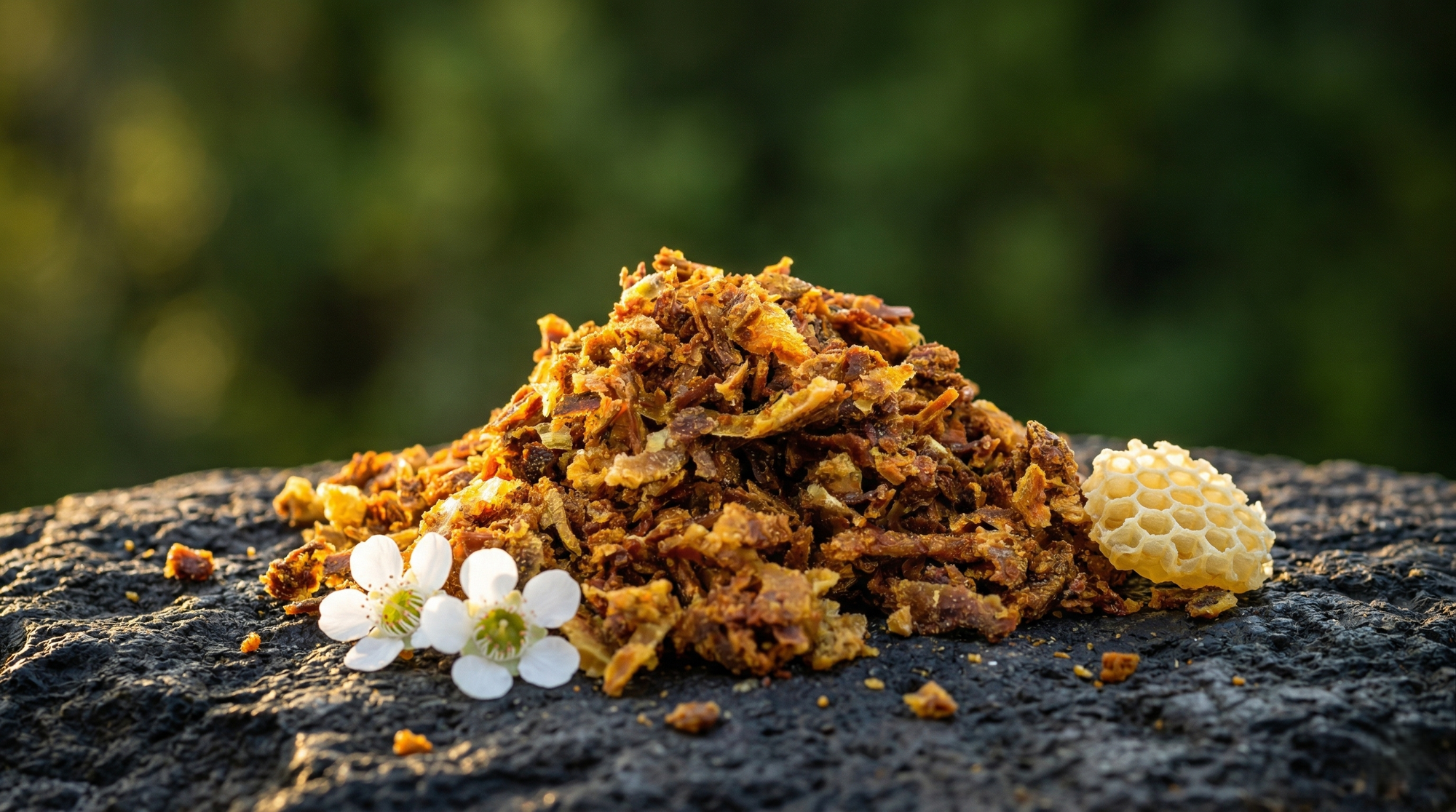
Raw propolis harvested from Tōtika Health hives, Bay of Islands, New Zealand.
Propolis is a resinous compound produced by Apis mellifera honey bees. Bees collect resins and sap from tree buds, bark, and botanical sources, then process them with their salivary enzymes and beeswax to produce the sticky material they use to seal their hives, fill structural gaps, and maintain an antimicrobial environment within the colony. The word propolis is Greek in origin: pro (before or in defence of) and polis (city), a direct description of its function as the hive’s biological defence system.
It is worth dwelling on that function. A beehive is a warm, humid environment housing tens of thousands of organisms. Without a potent antimicrobial and anti-inflammatory defence, it would be a microbial disaster. Propolis is the mechanism that prevents this. Its effectiveness in that role, refined over millions of years of evolutionary pressure, is directly related to why it has therapeutic relevance for human skin.
Propolis is not honey, though the two are often mentioned together. They are produced by different processes, from different raw materials, and have different bioactive profiles. They are, however, genuinely complementary. High-grade mānuka honey and New Zealand bee propolis together address the inflammatory, antimicrobial, and barrier repair functions of skin through overlapping but distinct mechanisms. If you would like to understand how the two work together in the context of inflammatory skin conditions, the clinical detail is in our article on treating skin rashes and eczema with MGO mānuka honey. This article focuses on propolis as an ingredient in its own right.
The Chemistry: Why New Zealand Propolis Has a Distinct Profile
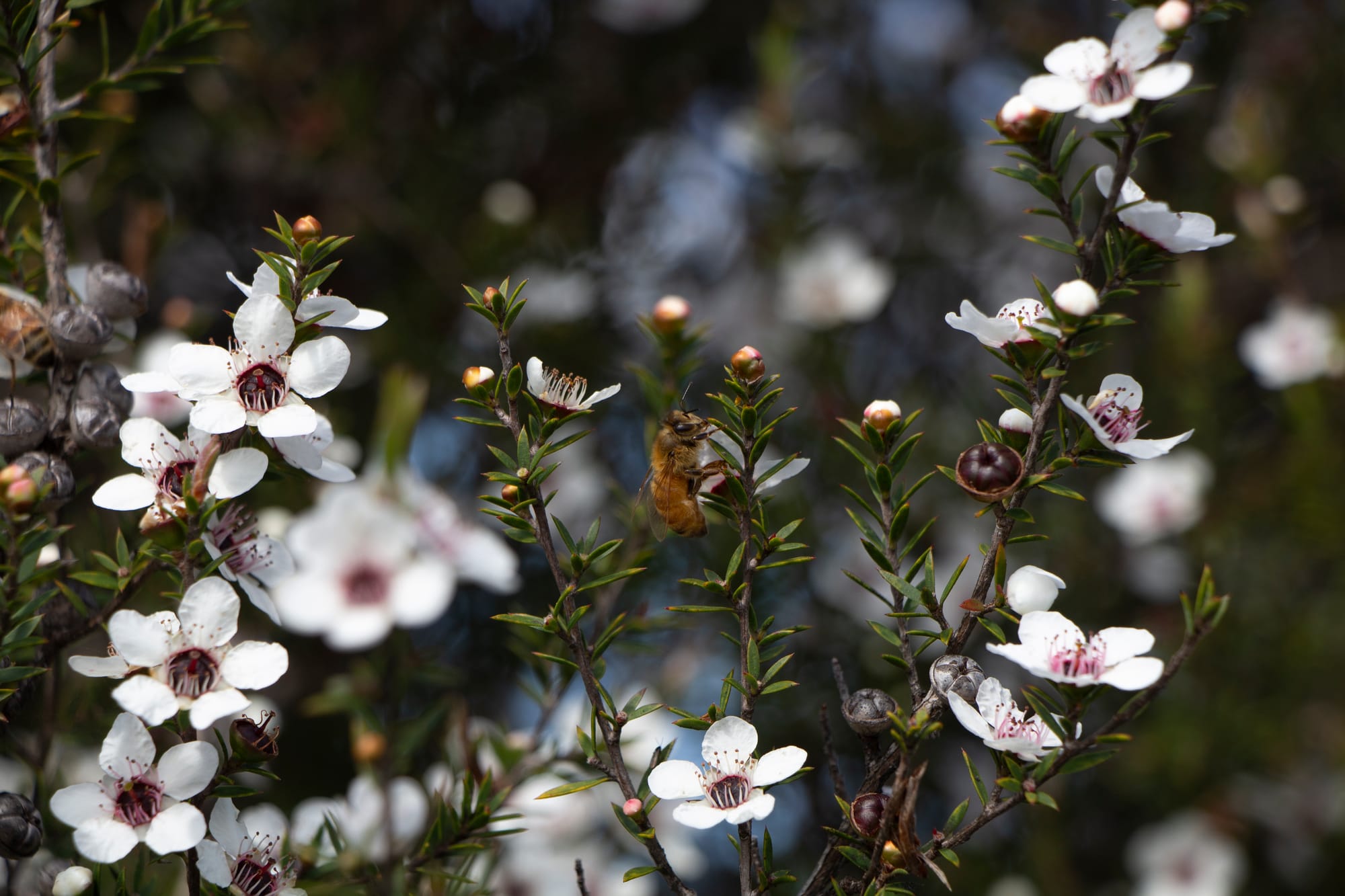
A Tōtika Health bee foraging on mānuka (Leptospermum scoparium) blossom, Bay of Islands. The botanical source determines the bioactive profile of the propolis produced.
The bioactive composition of propolis is determined almost entirely by its botanical source. Different flora produce different resin compounds, and different geographic environments produce those compounds at different concentrations and ratios. This is not a footnote: it is the central fact about propolis quality, and it is why geographic origin matters.
New Zealand propolis produced by Apis mellifera bees foraging on native flora, including mānuka (Leptospermum scoparium), kānuka (Kunzea ericoides), kawakawa (Piper excelsum), and kōhūhū (Pittosporum tenuifolium), has a documented bioactive profile that differs meaningfully from propolis produced elsewhere. Research characterising New Zealand propolis from Northland and other regions has identified a complex volatile compound profile reflecting the diversity of native resin sources available to bees in this environment [1]. In areas of dense native forest, a distinct diterpenoid chemical profile emerges alongside the typical flavonoid compounds, giving New Zealand propolis bioactivity patterns associated with both compound classes [2].
Studies comparing propolis samples from multiple geographic origins have found that New Zealand propolis carries among the highest total concentrations of flavonoids of any propolis source measured, including pinocembrin, galangin, chrysin, and pinobanksin [3]. It also carries significant concentrations of caffeic acid phenethyl ester (CAPE), a phenolic compound that has been extensively studied for its anti-inflammatory and antioxidant properties. New Zealand’s high ultraviolet intensity drives elevated concentrations of photoprotective compounds in the plants that bees collect from, further differentiating the local propolis profile from Northern Hemisphere equivalents.
Key Compounds and Their Skin-Relevant Properties
| Compound | Class | Primary Mechanism in Skin |
|---|---|---|
| CAPE (Caffeic Acid Phenethyl Ester) | Phenolic ester | Modulates inflammatory NF-kB pathway; broad-spectrum antimicrobial activity |
| Pinocembrin | Dihydroflavonoid | Antimicrobial and antioxidant; dominant flavonoid in NZ propolis |
| Galangin | Flavonoid | Inhibits COX enzymes driving prostaglandin-mediated inflammation |
| Chrysin | Flavone | Free radical scavenging; emerging evidence for skin barrier support |
| Phenolic acids (caffeic, ferulic) | Phenolic acids | Antioxidant capacity; support collagen synthesis |
| Diterpenoids (NZ native flora-derived) | Terpenes | Antioxidant; antibacterial; superoxide inhibitory activity |
Four Mechanisms That Matter for Skin
1. Anti-inflammatory Action
Chronic low-grade inflammation underlies most persistent skin concerns: eczema, acne, rosacea, hyperpigmentation, premature ageing, and barrier dysfunction. Propolis flavonoids and CAPE suppress inflammation through multiple pathways simultaneously: inhibiting COX enzymes, blocking NF-kB activation, and reducing the production of pro-inflammatory cytokines including TNF-alpha, IL-1β, and IL-6.
A comprehensive 2022 review in Molecules, analysing over 100 studies on propolis anti-inflammatory activity, confirmed that propolis operates across multiple inflammatory signalling pathways simultaneously, providing a broad-spectrum effect that single-molecule pharmaceutical anti-inflammatories cannot replicate [4]. This multi-pathway action is significant: it means propolis is less likely to suppress one inflammatory signal while others persist, a known limitation of narrow-spectrum agents.
2. Antimicrobial Protection
Propolis demonstrates antimicrobial activity against a wide range of organisms relevant to skin health: Staphylococcus aureus (the primary pathogen in eczema flares and wound infection), Propionibacterium acnes (a key driver of acne), various Candida species relevant to fungal skin conditions, and several antibiotic-resistant organisms. The mechanism is multi-modal: propolis compounds disrupt bacterial cell membranes, inhibit bacterial enzyme systems, and interfere with biofilm formation.
Because the antimicrobial action comes from a complex of compounds rather than a single agent, propolis does not create the selective pressure associated with topical antibiotic use. This is directly relevant to the growing concern about topical antibiotic resistance in dermatology practice.
3. Antioxidant Defence
Free radical damage accumulates in skin through UV exposure, pollution, metabolic activity, and the inflammatory cascade itself. Unchecked oxidative stress degrades collagen, disrupts cell membranes, triggers pigmentation irregularities, and accelerates the visible signs of ageing. Propolis flavonoids, particularly galangin and chrysin, are potent free radical scavengers.
A 2024 clinical study published in the Journal of Cosmetic Dermatology assessed a standardised phenolic acid polymer extract (PAPE) from propolis in a double-blind, randomised, controlled trial in participants aged 30 to 70. After 28 days of application, the propolis extract demonstrated measurable anti-wrinkle efficacy alongside effects on key skin health biomarkers in dermal fibroblasts and keratinocytes, including antioxidant markers [5]. This is clinical evidence in an actual skincare application context, not extrapolation from cell culture data.
4. Barrier Repair and Cellular Regeneration
The skin barrier is a stratified structure of lipids and proteins whose integrity determines whether skin retains moisture and excludes irritants. When compromised, repair requires the active migration and proliferation of keratinocytes across the damaged area, a process called re-epithelialisation.
Propolis supports this process directly. A 2023 systematic review and meta-analysis in Archives of Dermatological Research, analysing evidence across multiple clinical and in vitro studies, concluded that propolis demonstrates significant wound-healing efficacy through both antimicrobial and regenerative mechanisms, including promotion of re-epithelialisation and stimulation of skin regeneration [6]. A 2024 review in the same journal, examining propolis-based wound dressing materials across burns, ulcers, and skin tears, confirmed its adhesive and haemostatic properties alongside anti-inflammatory and antimicrobial activity [7].
The skin does not distinguish mechanically between a clinical wound and a compromised barrier in eczema or a post-inflammatory area from acne. The repair processes engaged are the same. Propolis’s documented support for those processes is relevant across a broader range of skin concerns than wound care research alone suggests.
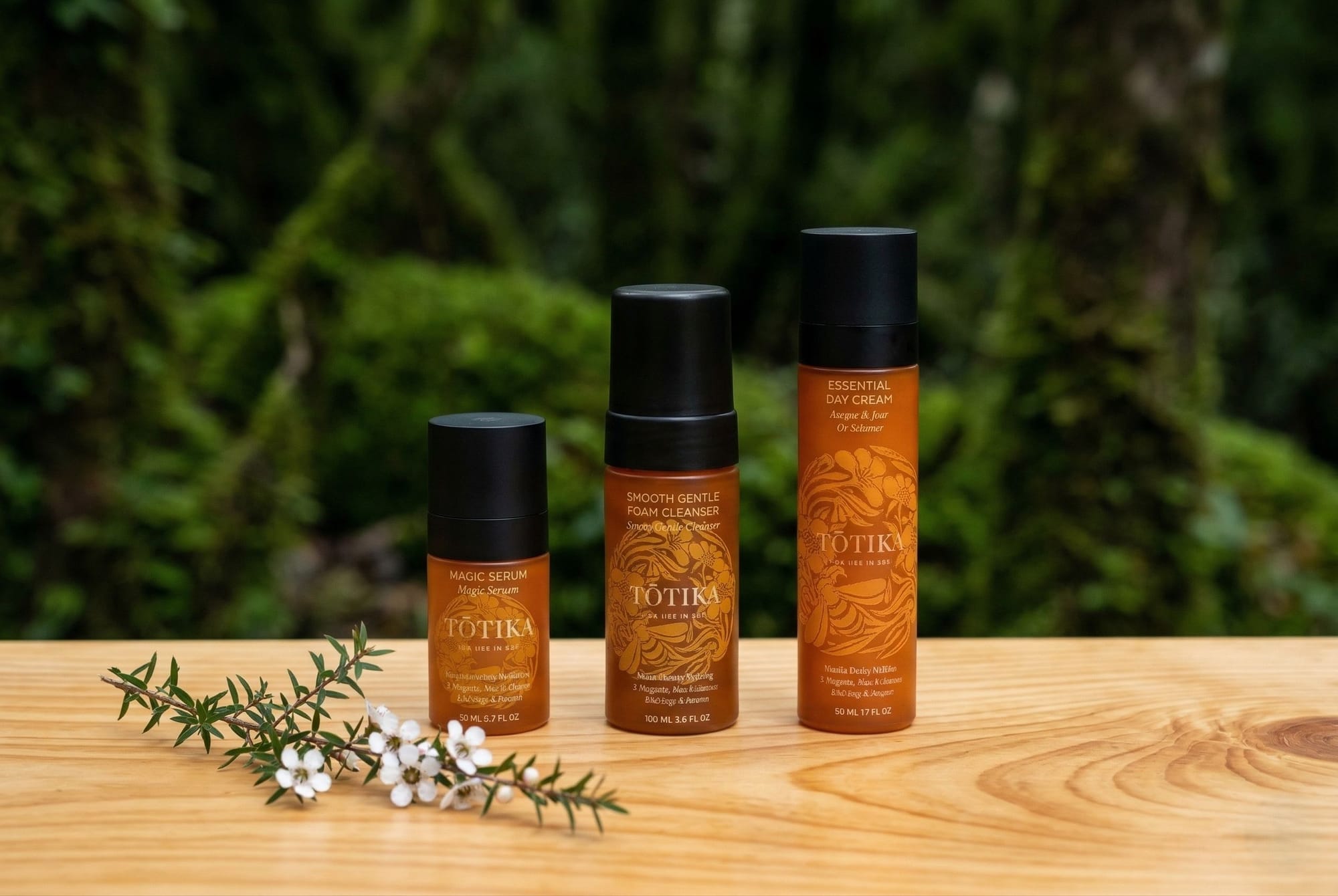
Tōtika Bee Propolis, 15 ml. New Zealand bee propolis extract, Bay of Islands hives.
What the Research Means in a Formulation Context
Understanding the research is one thing. Understanding what it means for an actual skincare product requires a different set of questions.
Extraction method matters. The bioactive compounds in propolis are not uniformly extractable. CAPE and flavonoids require specific extraction conditions to be preserved at meaningful concentrations. Propolis as a raw material contains wax, resins, and plant debris that are not appropriate for skin application. A quality skincare formulation uses a purified propolis extract with the bioactive fractions standardised and preserved, not raw propolis incorporated directly.
Concentration matters. Propolis extracts in skincare range from trace quantities included for label appeal to functionally relevant concentrations that deliver the mechanisms described in the research. A product with “propolis extract” positioned near the bottom of its ingredient list is not delivering the same thing as a formulation built around a defined extract at a meaningful level.
The botanical source of the propolis used in a formulation matters: as the research above shows, New Zealand propolis from native-flora-foraging bees has a distinct bioactive profile that cannot be assumed from a generic propolis source. The Tōtika bioactive skincare range uses New Zealand bee propolis from the same Bay of Islands hives that produce our certified mānuka honey. Geographic origin is not a marketing detail. It determines what is actually in the jar.
Who Benefits from Propolis in Skincare
Propolis suits a broader range of skin types and concerns than its reputation as a “sensitive skin ingredient” might suggest.
- Sensitive and reactive skin: the anti-inflammatory and antimicrobial properties address external triggers that drive ongoing reactivity, rather than simply masking symptoms with calming agents.
- Acne-prone skin: antimicrobial activity against P. acnes, without the drying effect or resistance risk of topical antibiotics, combined with anti-inflammatory action on the post-inflammatory redness and pigmentation that follows breakouts.
- Mature skin: the antioxidant profile addresses accumulated free radical damage underlying many visible ageing signs; the collagen-supporting phenolic compounds add a further dimension to a routine that targets structural skin health.
- Post-procedure or healing skin: the barrier repair and re-epithelialisation support documented in wound healing research is directly relevant to skin recovering from dermal procedures, laser treatments, or any compromise to the barrier.
One caution is appropriate. Anyone with a known allergy to bee products, including bee venom, honey, or pollen, should patch-test propolis-containing products before use and consult a healthcare professional if in any doubt. Propolis is a complex natural substance and, like many plant-derived ingredients, can cause contact sensitisation in a small proportion of individuals.
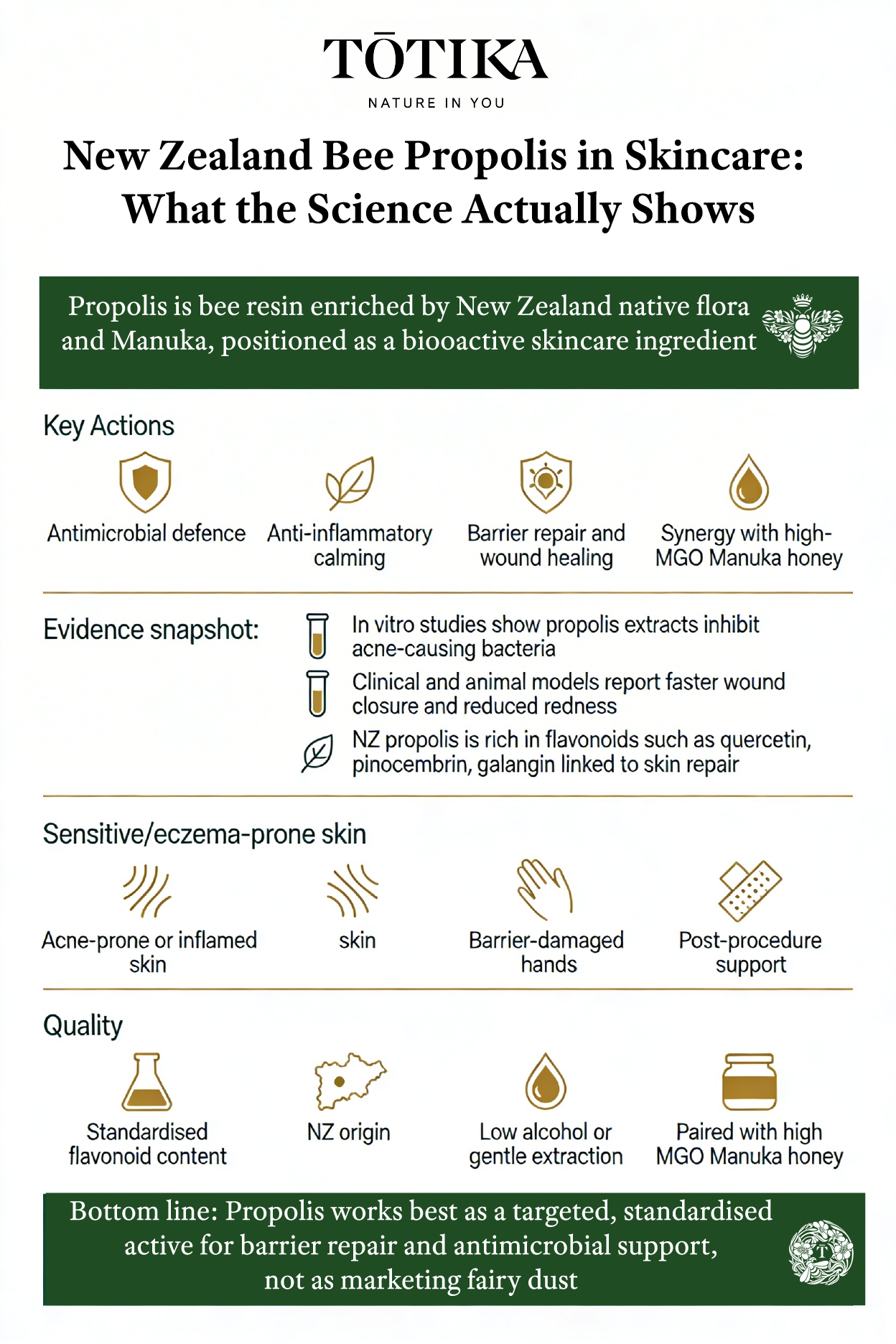
Save and share — full science article above.
Frequently Asked Questions
Is propolis the same as honey?
No. Honey and propolis are produced by bees from different raw materials through different processes. Honey is produced from nectar; propolis is produced from plant resins and sap. Both are bioactive, but their compound profiles and mechanisms of action differ significantly. They are complementary rather than interchangeable, which is why both appear in the Tōtika skincare formulations.
Can propolis skincare replace prescribed treatments for skin conditions?
No. Bioactive skincare is designed as a supportive skincare protocol, not a replacement for prescribed medical treatment. If you are under the care of a dermatologist or GP for a diagnosed skin condition, discuss any additions to your routine with them. The ingredients in the Tōtika range have no known interactions with standard topical treatments including corticosteroids or calcineurin inhibitors.
How do I know if a skincare product contains enough propolis to be effective?
The ingredient list is the starting point. Where a brand uses a standardised propolis extract with a defined CAPE or flavonoid content, this is a better indicator of quality than the position of “propolis extract” on the list alone. Formulation context also matters: propolis paired with complementary actives, such as ceramides and hyaluronic acid, delivers more than propolis in an otherwise inert base.
Is New Zealand propolis genuinely different from propolis from other countries?
Yes, measurably so. Studies comparing propolis from multiple geographic origins demonstrate that New Zealand propolis carries among the highest concentrations of CAPE and total flavonoids of any source measured. The native New Zealand flora, particularly mānuka, kānuka, and other endemic species, produces resin compounds not found in Northern Hemisphere botanical sources. Research published in 2025 further characterised propolis from New Zealand native forest, identifying diterpenoid compounds in addition to the typical flavonoid profile, giving this propolis a distinct bioactive fingerprint [2]. Geographic origin is a meaningful quality variable.
Does propolis interact with other skincare ingredients?
Propolis extracts are generally compatible with the key skincare actives: ceramides, hyaluronic acid, niacinamide, and vitamin C. At high concentrations of vitamin C, there is potential for some colour development in formulations containing both, since both are polyphenol-rich, but this is a formulation stability consideration rather than a safety concern. Avoid combining propolis with products that contain high concentrations of oxidising agents, as these can degrade the flavonoid content.
References
Peer-reviewed research
- Faber G, Collins S, Ruedenauer F, et al. Characterisation of New Zealand propolis from different regions based on its volatile organic compounds. PubMed Central. 2024. PMC11243487. https://pmc.ncbi.nlm.nih.gov/articles/PMC11243487/
- Manley Harris M, Grainger MNC, Peters LM, McNeil STTR. Composition and bioactivity of propolis derived from New Zealand native forest. ScienceDirect. 2025. https://doi.org/10.2139/ssrn.5012020
- Kumazawa S, Hamasaka T, Nakayama T. Antioxidant activity of propolis of various geographic origins. Food Chemistry. 2004;84(3):329–339. https://doi.org/10.1016/S0308-8146(03)00216-4
- Zulhendri F, Lesmana R, Tandean S, et al. Recent update on the anti-inflammatory activities of propolis. Molecules. 2022;27(23):8473. https://doi.org/10.3390/molecules27238473
- Radić J, et al. Anti-wrinkle efficacy of standardized phenolic acids polymer extract (PAPE) from propolis: Implications for antiaging and skin health. Journal of Cosmetic Dermatology. 2024;23:3372–3381. https://doi.org/10.1111/jocd.16405
- Velho JCM, França TA, Malagutti-Ferreira MJ, et al. Use of propolis for skin wound healing: systematic review and meta-analysis. Archives of Dermatological Research. 2023;315(4):943–955. https://doi.org/10.1007/s00403-022-02455-8
- El-Sakhawy M, Salama A, Tohamy HAS. Applications of propolis-based materials in wound healing. Archives of Dermatological Research. 2024;316:61. https://doi.org/10.1007/s00403-023-02789-x