Winter Wellness from the Hive: Mānuka Honey, Propolis and Bee Pollen as Natural Supplements
The peer-reviewed science of mānuka honey, NZ propolis and bee pollen as winter wellness supplements. What the evidence shows, from a scientist-beekeeper.

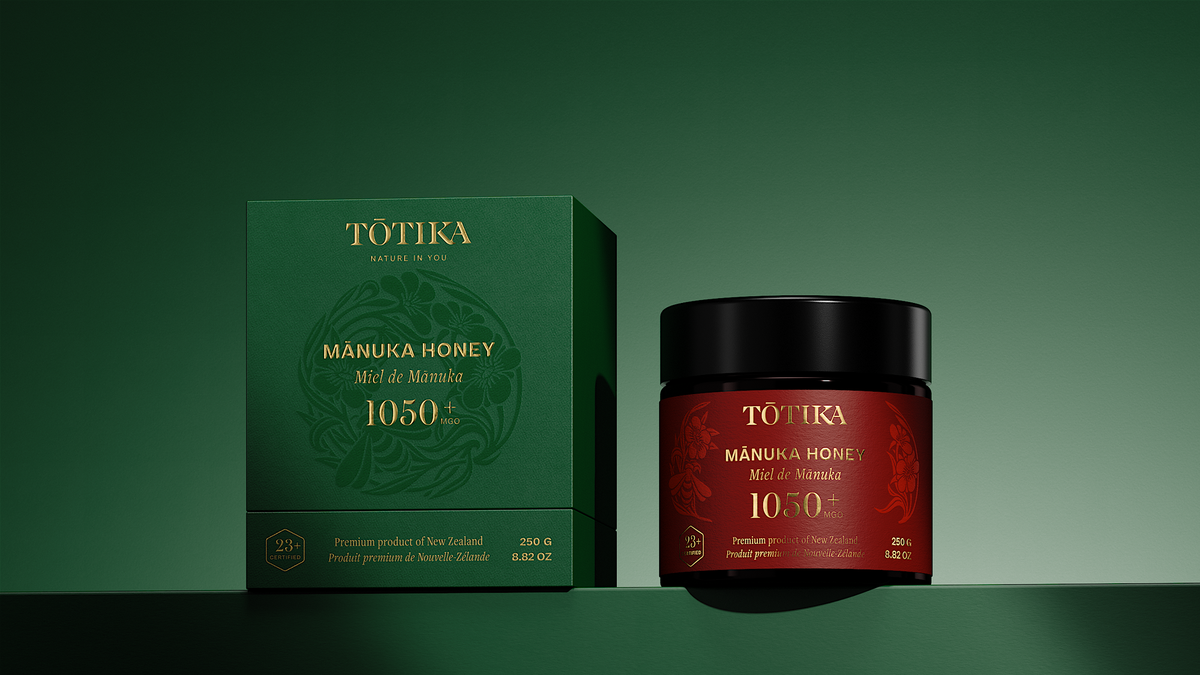
Mānuka honey, bee propolis, and bee pollen are three distinct hive products with different bioactive profiles: methylglyoxal in honey, flavonoids in propolis, and amino acids and enzymes in pollen. Together they offer complementary immune, antimicrobial, and nutritional support through winter. People who are allergic to bee products, pregnant, or taking immunosuppressants should consult their GP before use.
Winter in New Zealand does something specific to your body. The UV Index drops, daylight shortens, outdoor time decreases, and your immune system faces a different workload than it does in summer. Most people reach for vitamin C tablets or a zinc lozenge. A growing body of peer-reviewed research suggests the hive offers something worth understanding: three bioactives with distinct and complementary mechanisms of action.
This is not about replacing medical care or ignoring the real value of vitamin D supplementation for those who need it. It is about understanding what mānuka honey, propolis and bee pollen actually do, at a biochemical level, and whether the evidence supports using them as part of a considered winter wellness routine.
I have managed hives in the Bay of Islands for over a decade. I know what comes out of them. Here is what the science says about three of those products in a winter context.
Mānuka Honey: Starting in the Gut
Immunity does not start in the bloodstream. A significant proportion of the body's immune activity is regulated in the gut, where the balance of the microbiome influences inflammatory response, pathogen resistance, and nutrient absorption. Anything that meaningfully supports gut health during winter is, indirectly, supporting immune readiness.
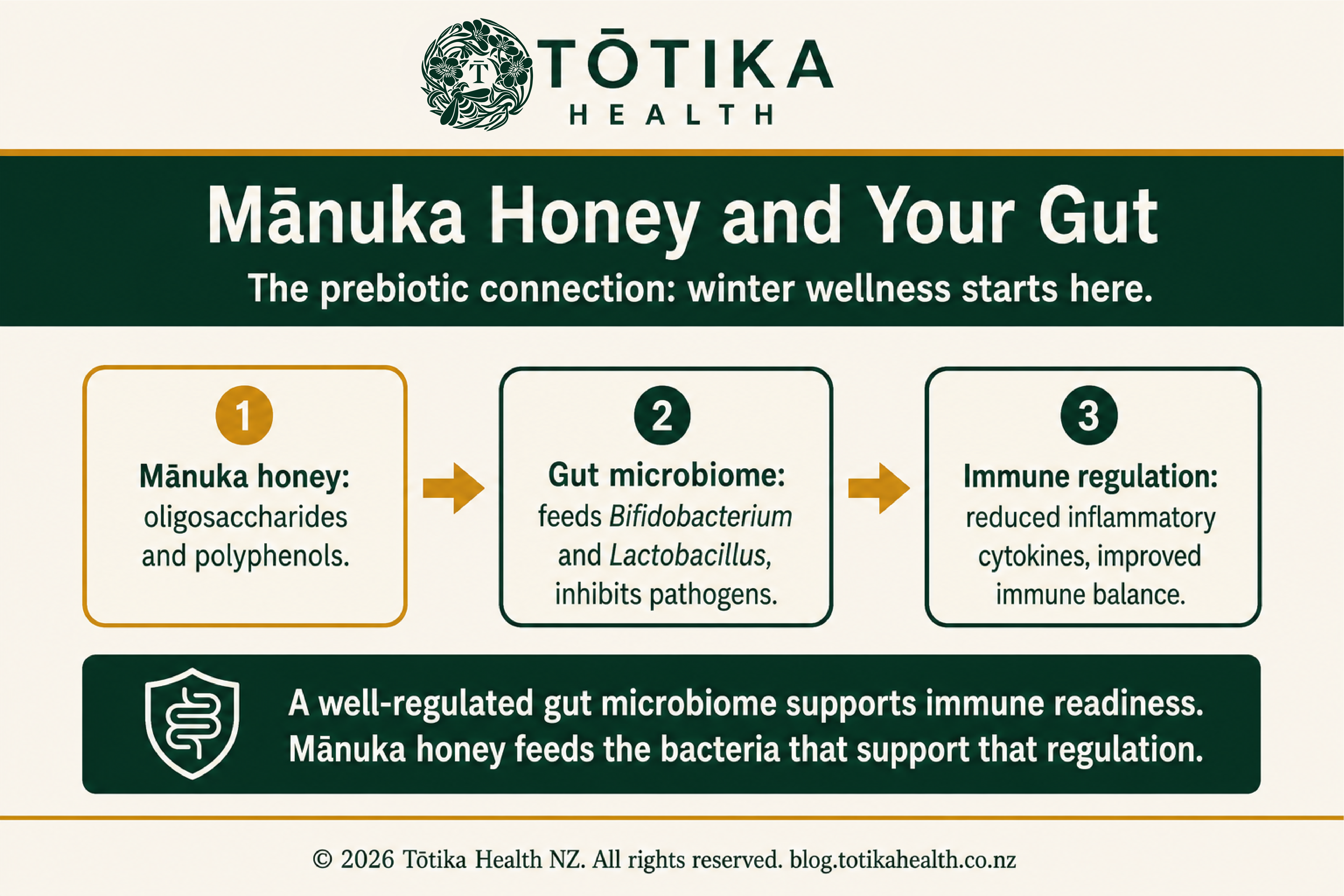
Mānuka honey contains two gut-relevant compound classes. The first is oligosaccharides: non-digestible prebiotic carbohydrates that reach the large intestine intact and selectively feed beneficial bacteria, particularly Bifidobacterium species. A review published in Frontiers in Nutrition examined honey's prebiotic potential and found that honey oligosaccharides can alter the composition of the gut microbiome, with polyphenols in honey also shown to modulate inflammatory cytokine production.[1] The specific data point worth noting: in animal models of ulcerative colitis, mānuka honey administration produced significant reductions in IL-1β, IL-6, and TNF-α, and faster ulcer healing compared to controls.
The second compound class is polyphenols, including methyl syringate and leptosperin, which are specific to mānuka. These contribute antioxidant activity and support what researchers describe as immune balance, reducing the overproduction of inflammatory cytokines that characterise chronic low-grade inflammation.
A separate in vitro study confirmed that mānuka honey (UMF 20+) supported the growth of probiotic species including Lactobacillus reuteri, Lactobacillus rhamnosus and Bifidobacterium lactis, while simultaneously inhibiting the growth of pathogens including E. coli, Salmonella typhimurium, and Staphylococcus aureus.[2] This selective activity is what distinguishes a well-characterised prebiotic from a general antibacterial intervention.
MGO grade and winter wellness: the prebiotic activity comes from the oligosaccharides present across all genuine mānuka grades, not exclusively from high-MGO honey. Higher MGO grades such as Tōtika MGO 1050+ offer a richer polyphenol profile and more concentrated bioactives, but for daily prebiotic gut support, any authentically certified grade is appropriate. What matters is that it is genuinely mānuka: MPI-compliant, IANZ-tested, and traceable to a verified source.
Propolis: The Hive's Own Immune System
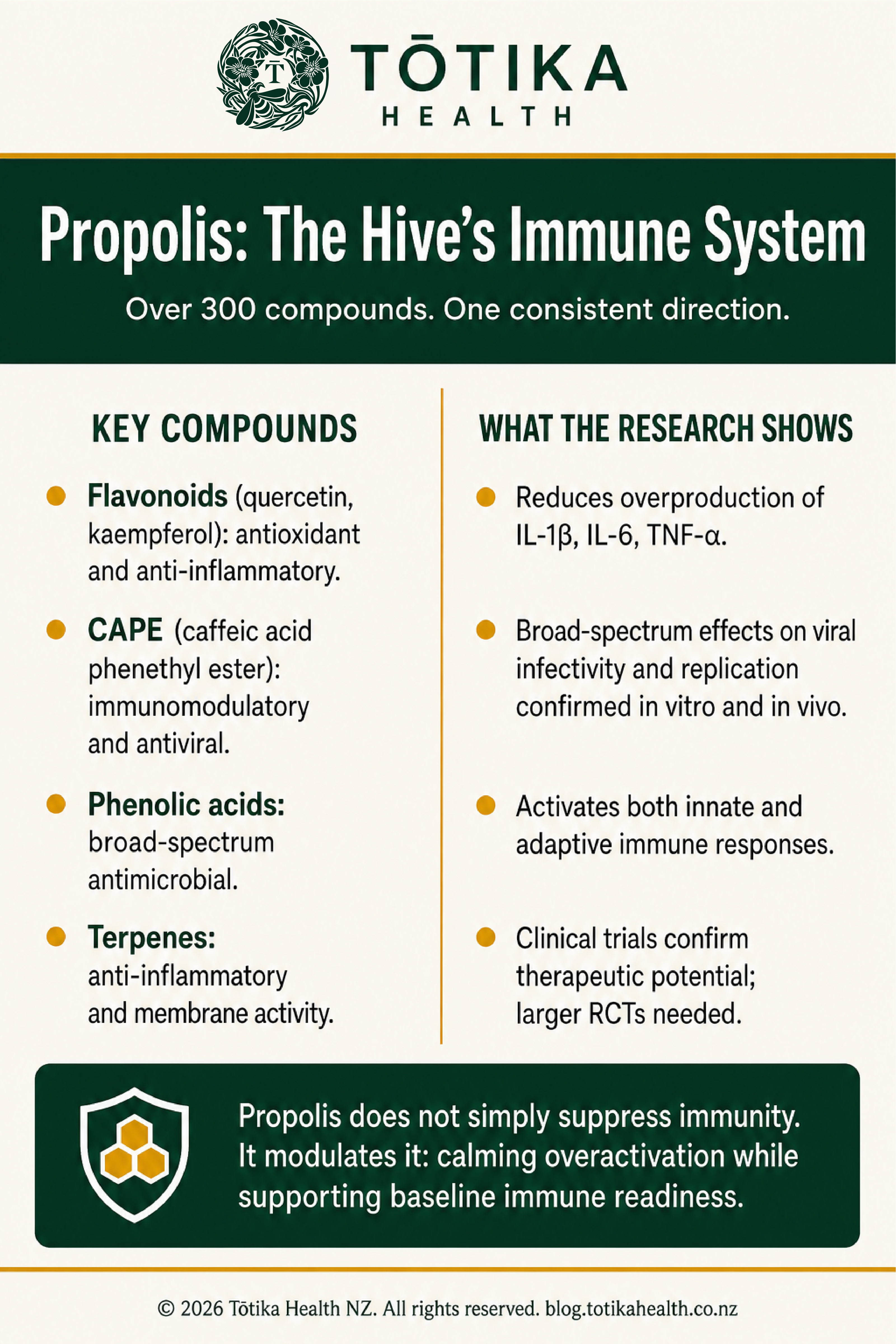
Propolis is the resinous material bees collect from tree buds, bark and botanical exudates, mix with beeswax and salivary enzymes, and use to seal, sterilise and protect the hive. It is the hive's structural immune system. The chemistry is complex: over 300 compounds have been identified, including terpenes, flavonoids and phenolic acids. The specific profile varies with botanical source and geography, which is why New Zealand propolis has a distinct chemical fingerprint from Brazilian or European equivalents.
The most relevant compounds for winter wellness are the flavonoids, particularly quercetin, kaempferol and pinocembrin, and caffeic acid phenethyl ester (CAPE). These drive the antiviral and immunomodulatory activity that has attracted substantial research interest in recent years.
The antiviral evidence
A 2022 review published in PMC specifically examined propolis as an antiviral and immunomodulatory agent in respiratory diseases. The authors reviewed preclinical and clinical evidence and found that in vitro and in vivo studies demonstrated propolis broad-spectrum effects on viral infectivity and replication, including against influenza viruses, adenoviruses and respiratory tract viruses. Clinical trials confirmed therapeutic potential, though the authors noted the need for larger rigorous randomised controlled trials in the context of respiratory diseases specifically.[3]
A separate comprehensive review documented preclinical efficacy against adenoviruses, influenza viruses, respiratory tract viruses, and herpes simplex virus types 1 and 2. The same review noted that six separate trials found propolis possessed better antiviral efficacy against herpes viruses than acyclovir, the standard antiviral pharmaceutical.[4] This is a striking comparison that deserves careful framing: these are preclinical and small-scale trials, not large randomised controlled studies, and propolis should not be positioned as a pharmaceutical alternative. But the direction of evidence is consistently positive and the mechanism is well characterised.
The immune modulation mechanism
Propolis does not simply suppress immune activity. It modulates it: reducing the overproduction of pro-inflammatory cytokines (IL-1β, IL-6, TNF-α) while activating both innate and adaptive immune responses. A comprehensive review of honey bee products published in Frontiers in Nutrition found that propolis and its bioactive constituents demonstrated immunomodulatory activity affecting B and T lymphocyte activation in both preclinical and clinical settings.[5]
This dual action, calming overactivation while supporting baseline immune readiness, is what makes propolis interesting as a daily supplement rather than an acute intervention. Winter is not just about catching colds. It is about maintaining a well-regulated immune system across months of reduced daylight, reduced vitamin D synthesis, and increased time spent in enclosed spaces with other people.
For a deeper examination of the propolis science, including its biofilm-disrupting mechanisms and oral health applications, see our dedicated propolis post.
Bee Pollen: The Nutritional Case
Bee pollen is collected by forager bees from flowering plants, mixed with nectar and salivary enzymes, and packed into granules at the hive entrance. It is the primary protein source for the colony. It is also, gram for gram, one of the more nutritionally dense whole foods available.
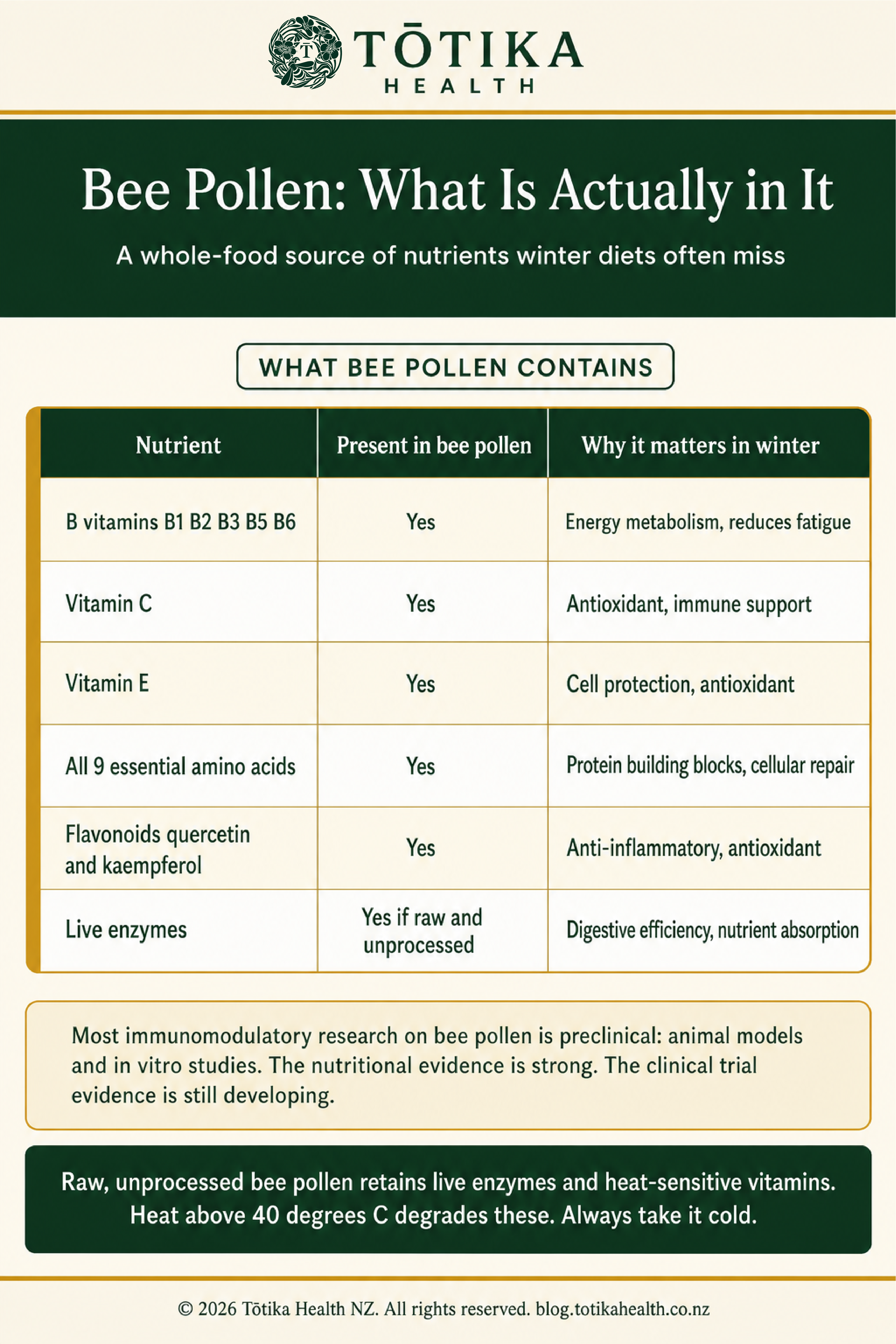
A 2021 review in Nutrients documented the compositional profile: protein at a mean of 22.7% of dry weight, containing all nine essential amino acids, including tryptophan, phenylalanine, methionine, leucine, lysine, threonine, histidine, isoleucine and valine. Carbohydrates make up approximately 30.8%, with lipids, minerals, vitamins and polyphenols comprising the remainder.[6] The vitamin profile includes B vitamins (B1, B2, B3, B5, B6), Vitamin C, Vitamin E and beta-carotene. Live enzymes are present in raw, unprocessed pollen but are destroyed by heat treatment.
The evidence on immunity and antioxidant activity
The immunomodulatory research on bee pollen is largely preclinical: animal models and in vitro studies rather than large human clinical trials. This is important to state clearly. A review in Antioxidants documented that bee pollen possesses antioxidant, anti-inflammatory, antibacterial and immunomodulatory activities in preclinical settings, and noted that the German Federal Ministry of Health has formally recognised bee pollen as a drug.[7] That regulatory status reflects the seriousness with which European health authorities treat the evidence base, even while acknowledging that large human trials remain limited.
The antioxidant activity is perhaps the most consistent finding across the literature. Bee pollen's flavonoids (quercetin, kaempferol and their glycosides), carotenoids and vitamins C and E act synergistically as free radical scavengers, protecting cells from oxidative damage. In winter, when outdoor activity decreases and dietary variety often narrows, a concentrated whole-food source of antioxidants has straightforward nutritional logic behind it.
For the immunomodulatory data specifically: polysaccharides from bee pollen have demonstrated in vitro activity against RAW 264.7 cells, downregulating TNF-α, IL-1 and IL-6 secretion. Animal studies showed improvements in immune status parameters in diabetic rat models and enhanced phagocytic capacity in rabbit granulocytes.[6] These are animal and cell studies; they indicate mechanism but do not confirm human clinical outcomes. We label them as such.
The energy and vitality angle
Beyond immunity, bee pollen's B vitamin content supports energy metabolism at the cellular level. B1 (thiamine), B2 (riboflavin) and B3 (niacin) are all involved in the conversion of macronutrients to usable cellular energy. Winter fatigue is real and is driven partly by reduced light exposure, reduced activity, and the metabolic costs of immune activity. A concentrated B vitamin source that also delivers protein and antioxidants addresses several of these mechanisms simultaneously.
Explore Tōtika pure New Zealand bee pollen, harvested from our Northland apiaries and packed raw at our MPI-registered facility in Kerikeri.
A Practical Winter Protocol
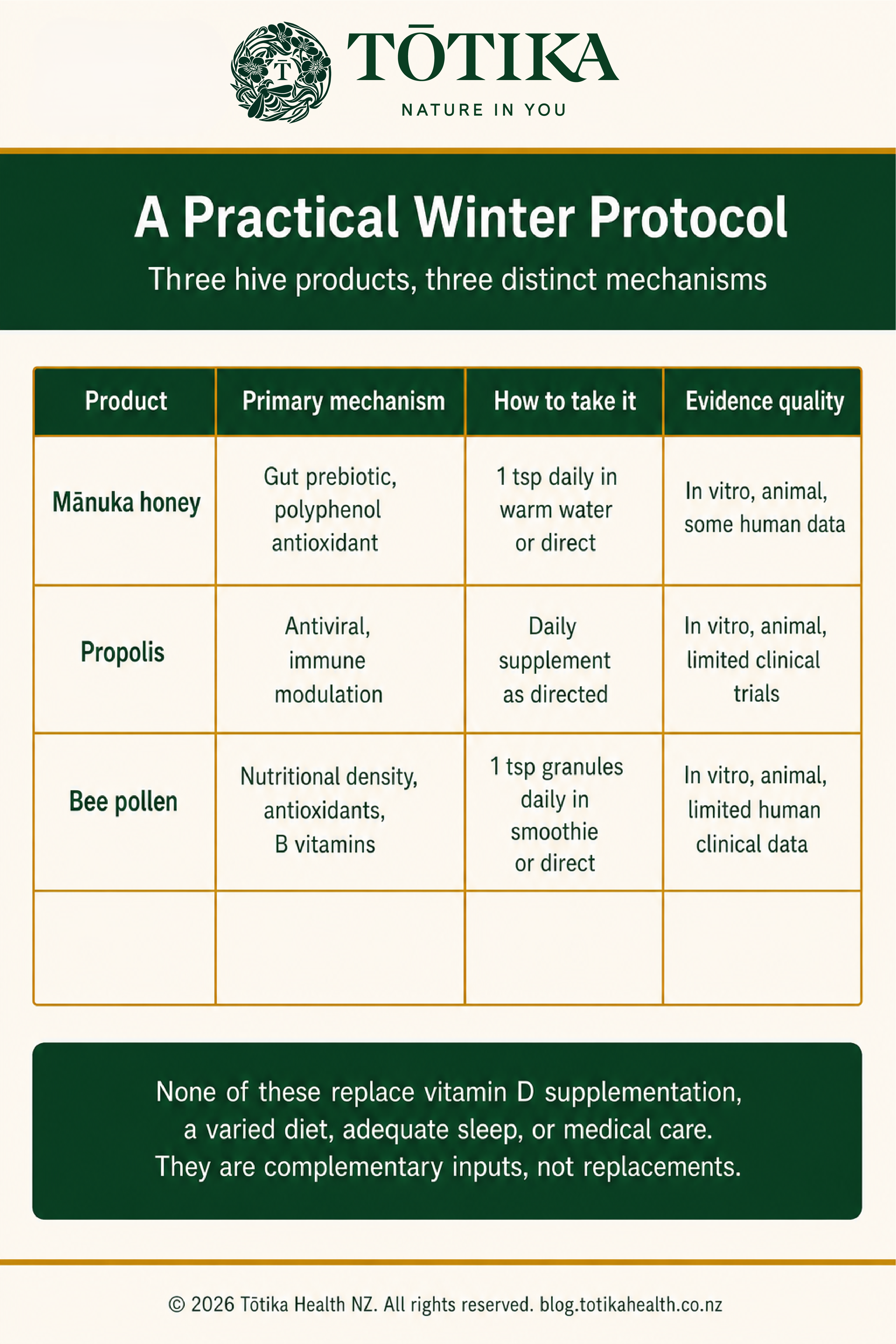
These three products are not competing with each other. They work on different mechanisms and different timescales, which makes them naturally complementary as a daily stack.
| Product | Primary mechanism | How to take it | Evidence quality |
|---|---|---|---|
| Mānuka honey | Gut prebiotic, polyphenol antioxidant | 1 tsp daily, in warm water or direct | In vitro, animal, some human data |
| Propolis | Antiviral, immune modulation | As directed on product; daily supplement | In vitro, animal, limited clinical trials |
| Bee pollen | Nutritional density, antioxidant, B vitamins | 1 tsp granules daily, in smoothie or direct | In vitro, animal; limited human clinical data |
None of these are a substitute for vitamin D supplementation if your GP has identified a deficiency. None of them replace a varied diet, adequate sleep, or regular physical activity. They are complementary inputs to a broader winter wellness approach, not a replacement for it.
Who Should Take Caution
This section is not optional reading. Bee pollen in particular carries real allergic risk that must be understood before use.
Bee pollen allergy risk
Bee pollen contains plant pollen proteins that can trigger allergic reactions in sensitised individuals, including anaphylaxis. A peer-reviewed case report and literature review documented that patients with pollen allergy showed cross-reactivity with bee pollen, and that anaphylaxis cases have been reported after ingestion.[8] Published estimates suggest flower pollen can cause allergic reactions in up to 30% of the industrialised world's population. Skin-prick test reactivity to common airborne pollens correlates with reactivity to bee pollen in sensitised individuals.
If you have known hay fever, seasonal allergies, or any history of pollen sensitivity, do not begin bee pollen supplementation without first discussing it with your GP or an allergist. Start with a very small quantity if cleared to do so, and do not take it before exercise or activities where an allergic reaction could be dangerous.
Propolis sensitivity
Propolis can cause contact dermatitis and, rarely, systemic allergic reactions in individuals sensitive to propolis components or beeswax. People with known bee product allergies should proceed with caution and medical advice.
Pregnancy and breastfeeding
Pregnant and breastfeeding women should consult their LMC or GP before adding propolis or bee pollen to their routine. The evidence base for safety in pregnancy is limited.
Children under 12 months
Honey of any kind, including mānuka honey, should not be given to children under 12 months due to the risk of infant botulism.
Frequently Asked Questions
Can bee pollen replace vitamin D supplements in winter?
Is propolis safe to take every day?
How much bee pollen should I take daily?
Does heat destroy the benefits of bee pollen and mānuka honey?
Can I take propolis if I am on medication?
Is bee pollen safe for people with hay fever?
What makes New Zealand propolis different?
References
- Rao PV, Bhatt DL, Bhatt DK, Gan SH. The potential of honey as a prebiotic food to re-engineer the gut microbiome toward a healthy state. Front Nutr. 2022;9:957932. doi:10.3389/fnut.2022.957932. PMC9367972.
- Rosendale DI, Maddox IS, Miles MC, Rodier M, Skinner M, Sutherland J. High-throughput microbial bioassays to screen putative prebiotic candidates for the beneficial microflora that colonize the human gut. Int J Food Microbiol. 2008;120(1-2):120-130. doi:10.1016/j.ijfoodmicro.2007.06.013.
- Zabrodskiy PV, Borodavko VK, Tretyakov VE, Gromov MS. The antiviral and immunomodulatory activities of propolis: An update and future perspectives for respiratory diseases. Evid Based Complement Alternat Med. 2022;2022:5850552. doi:10.1155/2022/5850552. PMC9298305.
- Yosri N, El-Wahed AAA, Ghonaim R et al. Anti-viral and immunomodulatory properties of propolis: Chemical diversity, pharmacological properties, preclinical and clinical applications, and in silico potential against SARS-CoV-2. Foods. 2021;10(8):1776. doi:10.3390/foods10081776. PMC8391193.
- El-Seedi HR, Eid N, El-Wahed AAA, Rateb ME et al. Honey bee products: Preclinical and clinical studies of their anti-inflammatory and immunomodulatory properties. Front Nutr. 2022;8:761267. doi:10.3389/fnut.2021.761267. PMC8762236.
- Khalifa SAM, Elashal MH, Yosri N et al. Bee pollen: Current status and therapeutic potential. Nutrients. 2021;13(6):1876. doi:10.3390/nu13061876. PMC8230257.
- Bobiş O, Dezmirean DS, Moise AR et al. Bee pollen as functional food: Insights into its composition and therapeutic properties. Antioxidants. 2023;12(4):862. doi:10.3390/antiox12040862. PMC10045447.
- Choi YS, Yang JY, Kim HJ et al. Bee pollen-induced anaphylaxis: A case report and literature review. Allergy Asthma Immunol Res. 2015;7(5):513-517. doi:10.4168/aair.2015.7.5.513. PMC4509665.